
In the realm of real estate, few decisions carry as much weight as choosing between buying and renting a property. Whether you’re a first-time homebuyer, a seasoned investor, or someone simply looking for a place to call home, the decision between homeownership and renting is a pivotal one that requires careful consideration of various factors. In this comprehensive guide, we’ll delve deep into the pros and cons of buying versus renting, exploring everything from financial implications to lifestyle considerations, empowering you to make the right choice for your unique circumstances.
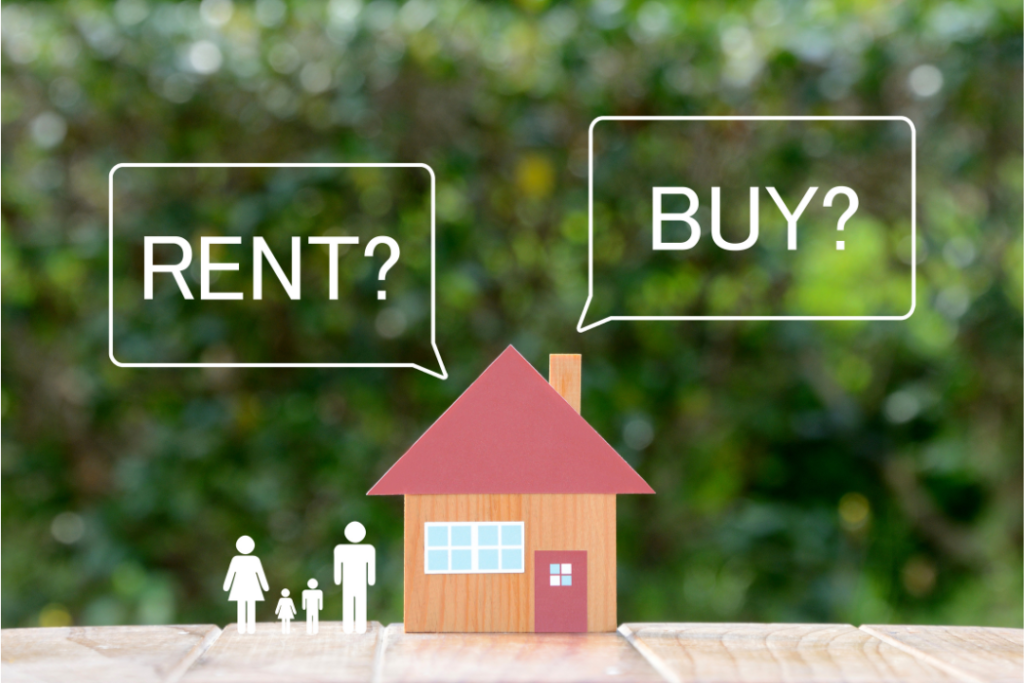
Understanding the Pros and Cons
Let’s start by examining the advantages and disadvantages of each option:

Pros of Buying:
- Investment Potential: One of the primary benefits of buying a home is the opportunity to build equity and wealth over time. Unlike renting, where monthly payments contribute solely to the landlord’s income, homeownership allows you to invest in an asset that typically appreciates in value.
- Stability and Control: Owning a home provides a sense of stability and control over your living environment. You have the freedom to customize and personalize your space according to your preferences without the constraints of a landlord.
- Potential Tax Benefits: Homeownership comes with potential tax advantages, including deductions for mortgage interest, property taxes, and certain closing costs, which can result in significant savings over time.
Cons of Buying:
- High Upfront Costs: The upfront costs associated with buying a home can be substantial, including a down payment, closing costs, and other expenses such as home inspections and appraisals.
- Maintenance and Responsibilities: As a homeowner, you’re responsible for ongoing maintenance and repairs, which can add up in terms of both time and money.
- Market Volatility: Real estate markets can be unpredictable, and fluctuations in property values can impact your investment. A decline in home values could potentially lead to financial loss if you need to sell.
Pros of Renting:
- Flexibility: Renting offers flexibility, allowing you to easily relocate for work or personal reasons without the commitment of homeownership.
- Lower Upfront Costs: Renters typically have lower upfront costs compared to buyers, as they’re not responsible for a down payment or property-related expenses.
- Limited Financial Risk: Renting shields you from fluctuations in the housing market, as you’re not directly invested in the property’s value.
Cons of Renting:
- Lack of Equity Building: Unlike homeownership, renting does not build equity or asset value over time. Rent payments solely contribute to the landlord’s income.
- Limited Control and Stability: Renters may face restrictions on customizing their living space and are subject to the landlord’s decisions regarding lease renewals and property management.
- Rent Increases: Rent prices can rise over time, potentially impacting your budget and financial stability.
Factors to Consider
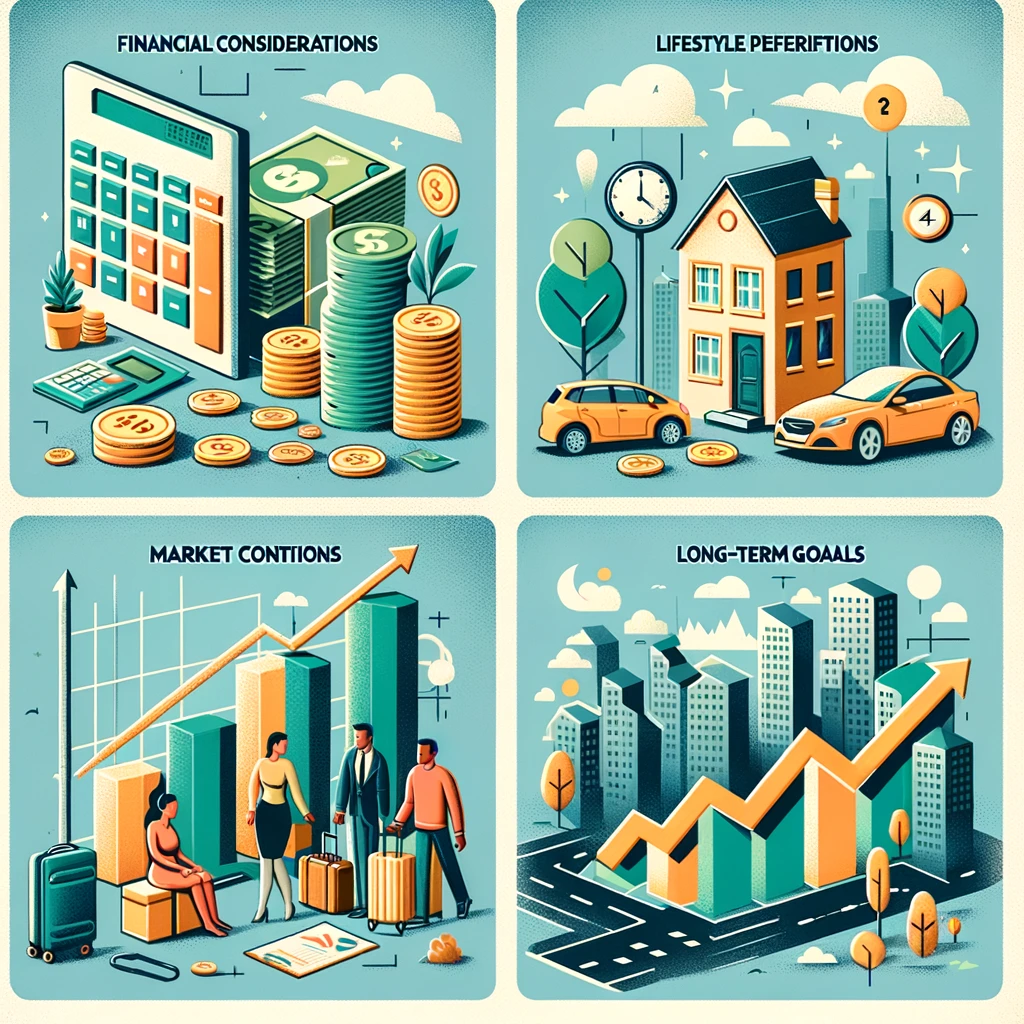
When weighing the pros and cons of buying versus renting, it’s essential to consider various factors that can influence your decision:
- Financial Considerations: Take a close look at your financial situation, including your income, savings, and long-term financial goals. Consider factors such as mortgage rates, property taxes, and potential appreciation when evaluating the affordability of homeownership.
- Lifestyle Preferences: Consider your lifestyle and future plans. Are you ready to settle down in one location, or do you anticipate moving frequently? Do you value the stability and permanence of homeownership, or do you prefer the flexibility and mobility that renting offers?
- Market Conditions: Research the local real estate market to understand trends in home prices, rental rates, and inventory levels. Consider factors such as job growth, population growth, and housing supply and demand when assessing the potential for property appreciation or rent increases.
- Long-Term Goals: Think about your long-term goals and how homeownership or renting fits into your overall financial plan. Consider factors such as retirement savings, investment strategies, and other financial obligations when making your decision.
Making an Informed Choice
Ultimately, the decision between buying and renting depends on your individual circumstances, preferences, and long-term goals. Take the time to carefully evaluate the pros and cons of each option, weighing financial considerations, lifestyle preferences, and market conditions to make an informed choice that aligns with your needs.
If you’re still unsure about which option is right for you, don’t hesitate to reach out. We are here to help. Feel free to book a call with us to discuss your questions and concerns further. We’re committed to providing you with the guidance and support you need to make the best decision for your future in real estate.